DOMA PROGRAM: SAFETY IN ANESTHESIA – EMERGENCY SITUATIONS IN ANESTHESIA
October 23, 2025


From October 1st to October 4th, the DOMA Program organized an intensive training course focusing on “Safety in Anesthesia and Emergency Situations in Anesthesia.”
The program attracted a large number of anesthesiologists, anesthesia nurses, technicians, and other medical staff, aiming to enhance knowledge, skills, and attitudes in anesthesia practice.

The course was methodically designed, combining theory and hands-on practice so participants could both learn and experience—from simulated to real clinical cases.
Content centered on “safety”, including vital signs monitoring, anesthesia equipment preparation, preoperative evaluation, airway management, intubation, induction–maintenance–recovery.
For example, in the “General Principles of General Anesthesia” module, it emphasized:
“The anesthesia process can only begin once all monitoring devices and safety checks have been properly completed.”
The emergency scenario sessions required participants to think and react quickly to incidents such as hypoxia, hypercapnia, hypotension, and cardiac arrest.
Learners were encouraged to share real cases, discuss in groups, and reflect on their own experiences—thereby enhancing “safety awareness” in anesthesia practice.
Anesthesiology and resuscitation are highly specialized fields requiring continuous monitoring of vital parameters to ensure airway patency, hemodynamic stability, and respiratory function while the patient is unconscious.
For instance, according to Vinmec:
“General anesthesia paralyzes all muscles of the body, including respiratory muscles, making the lungs unable to function independently and requiring mechanical support.”
Each anesthetic case carries risks—from mild complications such as nausea and sore throat to severe incidents like misplaced endotracheal tubes, aspiration, or cardiac/pulmonary arrest.
Continuous and systematic training helps minimize errors and improves safety for both patients and medical teams.

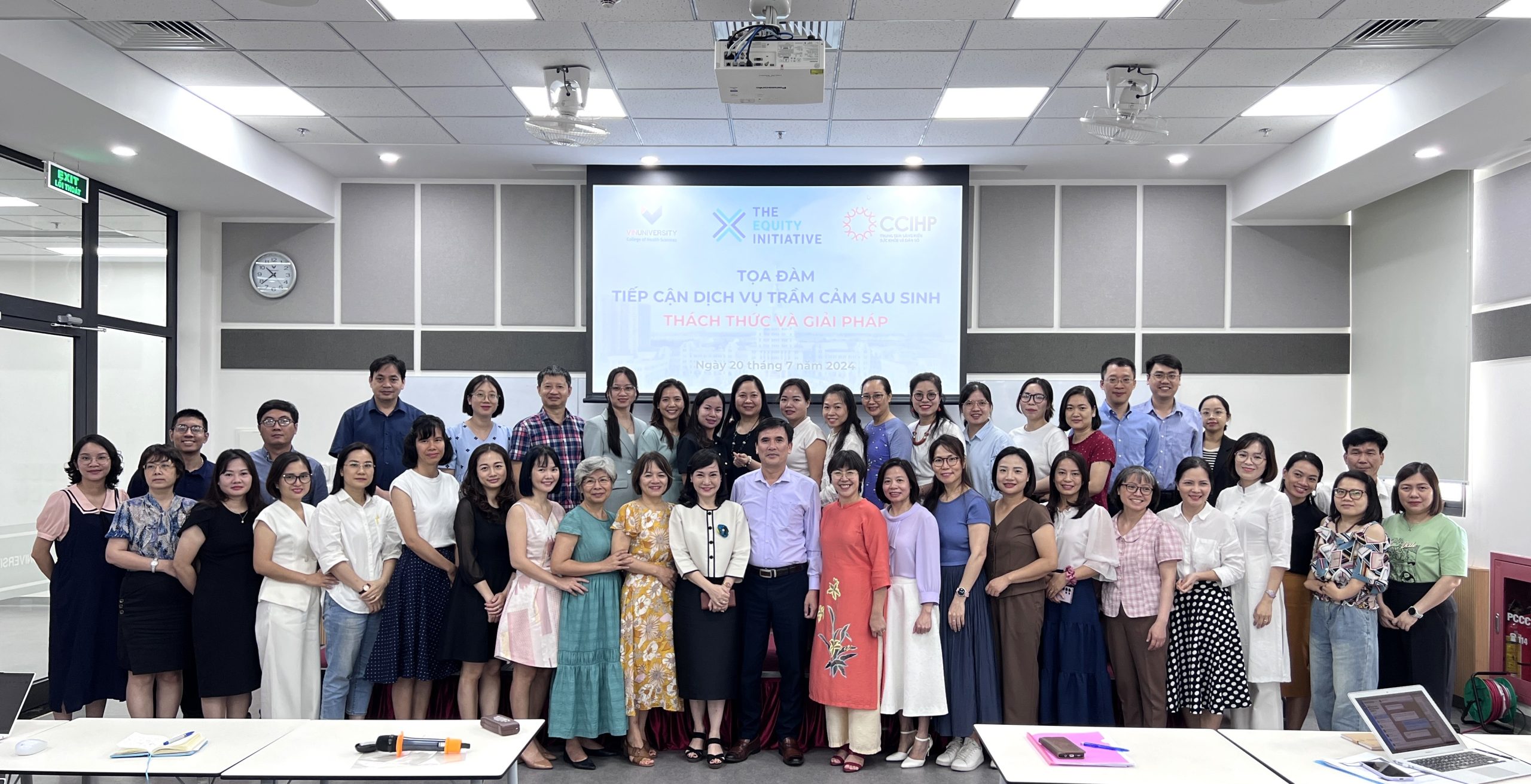
Over 40 participants (including anesthesiologists, nurses, and technicians) completed the 3-day program—forming a community of connection, sharing, and mutual support.
Feedback was highly positive: many participants stated that the simulated emergency scenarios increased their confidence in real-life situations; their understanding of airway control, hemodynamics, and anesthesia equipment was significantly strengthened.
The organizing committee committed to continuing advanced sessions in the future, focusing on topics such as:

Sincere thanks to all lecturers, experts, organizers, and participants for their dedication and active engagement.
Your commitment is the foundation for DOMA to continue as a high-quality training program, contributing to improved patient safety in anesthesia and critical care.